• goodbadi

    H’s Birth: Happy Albeit Self Funded

    SK

    We took on Goliath and lost–and had an exhilarating birth anyway.

    We knew in advance that our insurance provider does not cover births not overseen by an obstetrician, choosing instead to pay only for currently predominant models of maternity care in spite of our nation’s infant mortality rate global ranking of thirty-fourth. But earlier this year we began requesting preauthorization for reimbursement anyway. We followed the full appeals process (see our final letter below), hoping for the bureaucracy to mend its ways and help pay for H’s birth:

    The Birth Story

    3:45pm, Sunday, July 10, 2011–M first wonders (to herself) if she feels contractions.
    4:30–I decide to make up a curry supper, and we invite my parents (at JandJ’s while on call) to join them. M advises me on how little cayenne powder to use.
    6:00–The curry is not spicy and looks like dog vomit.
    6:30–Before the light dessert, M says, “I have a confession to make. I’m having contractions.” SK says, “I just noticed that you’d gasped!” I let out a whoop: “It was the curry!” M says, “I have another confession to make. I’ve been having contractions for a couple hours already.” Historical note: My parents took us out for Indian food while M was in the early stages of labor with N; M and I hadn’t told them ahead of time that M was having contractions.
    7:00-8:00–We give heads-up and later update calls to the midwife and M’s sister H, and take showers. H says she’ll take a shower and come. While SK takes N to JandJ’s for the night, I set up the music system in the bedroom (M had prepared soothing and energizing playlists for labor) and M alternates between tidying up the house and laboring on her hands and knees. PK washes the dishes before leaving to JandJ’s.
    8:00–M and I walk around the yard with the piz wat dog Canela, stopping frequently for contractions.
    8:25–I call the midwife and tell her to come.
    8:30–We take the birthing ball onto the back deck, where the breeze feels cool; I bring a family heirloom braided rug for under M’s knees.
    8:45–M’s sister H arrives. I tell her “it’s pretty intense.” At some point Bandida the cat brushes against the laboring M’s arm.
    8:55–The midwife arrives after M has had four contractions that “feel like pushing.” Moments later, as the midwife is in the bathroom, M’s water breaks. The midwife rushes out, and says, “I’m fine with you having the baby out here, but if you’re not, then we’d better get you inside right now.” M says she’s fine here. Canela is cornered on the deck between the railing, M, the midwife, and the house, but is very calm. The midwife says she doesn’t mind the dog, who is standing very, very close to her.
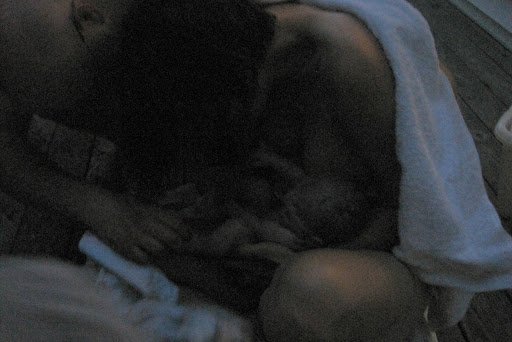
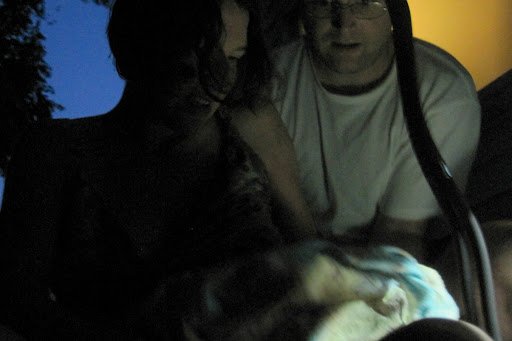
    9:03–The midwife announces that the baby has crowned; I get a good look at a very dusky face. M says, “Come out baby, I’m waiting for you,” and pushes twice more and out comes the baby. The midwife and I catch it and bring it up to M. It looks quite grey, so at first all focus is on stimulating the baby’s breathing. The baby’s cry becomes more vigorous, and I ask, “Are you a boy or a girl?” and check, and call her by name. Canela finally finds a way around the mess and off the deck.
    9:25–SK and PK bring N home and wait in the driveway. The midwife’s apprentice arrives. Upon being introduced to the baby, N turns to me and says, “Look at my stickers!” N relays messages to PK and SK: “Daddy said it’s a baby!” When they asked if it was a boy or girl, she says, “We don’t know.” As for its name, she says, “We don’t know!” Later she tells M, “I’m so happy!” and as I talk her to sleep later, telling her about the birth, N asks, “Is it another baby? Are there two babies?”
    9:45–The midwife’s assistant arrives.
    10:30–M takes a shower. Halfway through, the water shuts off. I run down to the barn to bleed the air out of the system so she can continue.
    1:30–The midwife and her helpers leave, and the house quiets down for the night.

    Throughout the post-birth events, M and I kept looking at each other and laughing with surprise: “You mean it’s over already?”

    The Letter of Appeal
    from M to our health insurance non-provider:

    I am writing to request a 2nd Level Appeal of your decision to deny preauthorization for the prenatal, birth and postpartum care services provided by _______, certified professional midwife (CPM), of __________ Birth Center. I have been receiving and paying for prenatal care since January 2011 with an anticipated delivery date in early July 2011.

    While I understand that my policy states that it does not provide for the services I am requesting, the policy is based on prevailing conventions of medicalized birth and neglects to consider research-based, effective and healthy alternatives. It also creates a significant barrier to free, informed choice regarding optimum health care. Therefore I urge you to reconsider your denial of coverage of a certified professional midwife for my low-risk pregnancy care, in light of the following advantages:
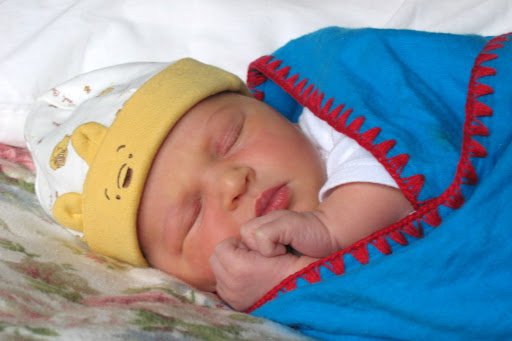
    N, early 2008

    1. Lower cost: In 2008 the average payment for in-hospital vaginal delivery in the U.S. was $7,737 (Sakala and Corry). In 2010 a typical fee for OB/CNM prenatal care and vaginal delivery at my local hospital was $6,118. My certified professional midwife’s fee of $2,900 (plus incidental expenses), which I am paying out of pocket prior to the birth, is substantially lower than the costs associated with an in-hospital birth. The American Public Health Association, “Recognizing that out-of-hospital settings have the potential for reducing the costs of maternity care … urges public and private insurance plans to eliminate barriers to the reimbursement and equitable payment of direct-entry midwifery services in both public and private payment systems” (APHA).

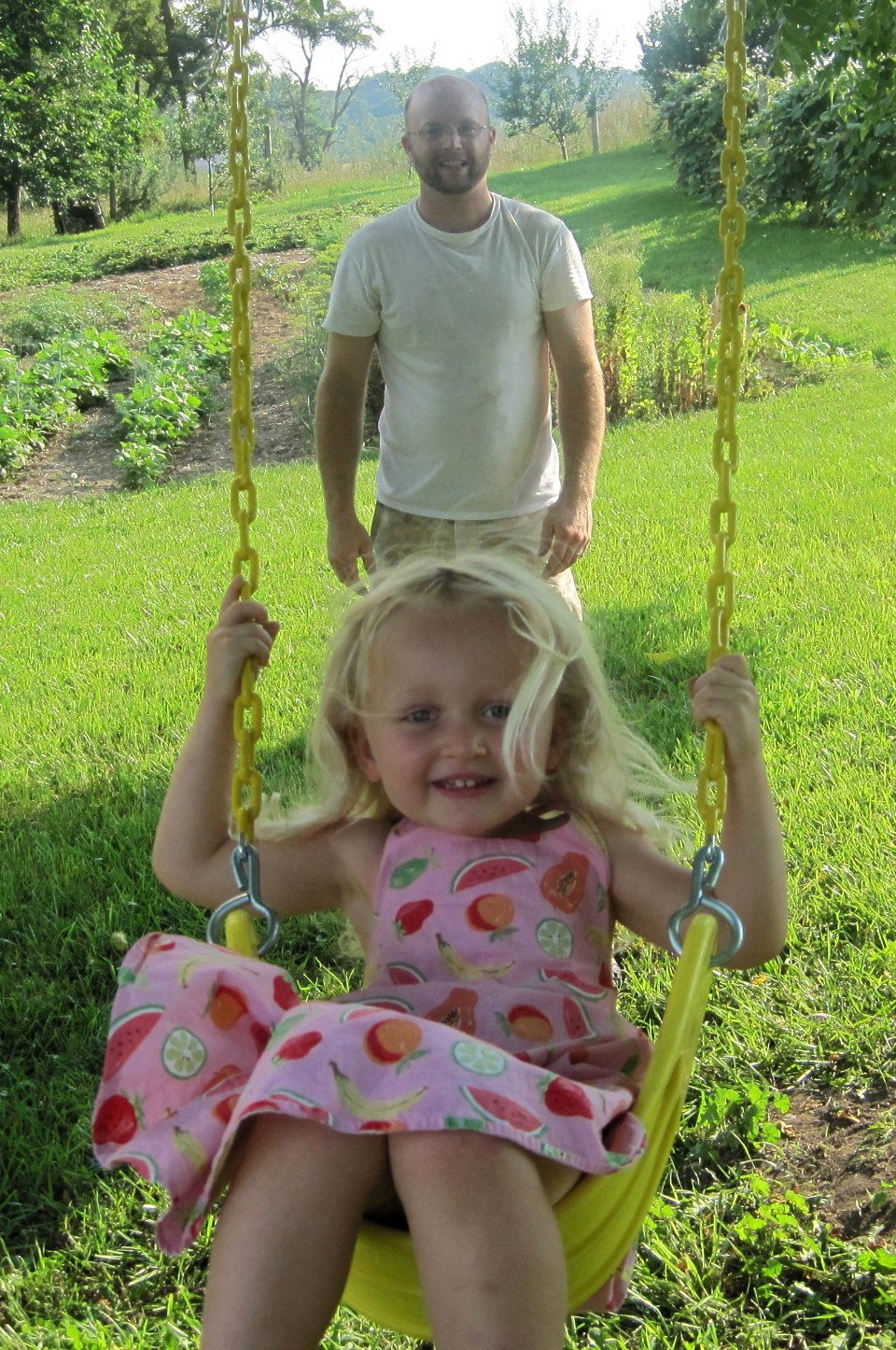
    H, 2011

    2. Health and safety: Mortality rates for babies born out-of-hospital are statistically comparable to in-hospital births. A 2005 study states, “Planned home birth for low risk women in North America using certified professional midwives was associated with lower rates of medical intervention but similar intrapartum and neonatal mortality to that of low risk hospital births in the United States” (Johnson and Daviss). The American Public Health Association supports “increased access to midwifery services,” and “efforts to increase access to out-of-hospital maternity services … through recognition that legally-regulated and nationally certified direct-entry midwives can serve clients desiring safe, planned, out-of-hospital maternity care services” (APHA).

    Furthermore, out-of-hospital births avoid unnecessary, expensive, and potentially harmful interventions that are often routine or even mandated by hospital protocol. My CPM adheres to the Midwives Model of Care, which uses safe, evidence-based practices that have been shown to improve outcomes for mothers and babies, in contrast to many hospital birth conventions, in which: “Many maternity practices that were originally developed to address specific problems have come to be used liberally and even routinely in healthy women. Examples include labor induction, epidural analgesia, and cesarean section. These interventions are experienced by a large and growing proportion of childbearing women; are often used without consideration of alternatives; involve numerous co-interventions to monitor, prevent, or treat side effects; are associated with risk of maternal and newborn harm; and greatly increase costs” (Sakala and Corry).
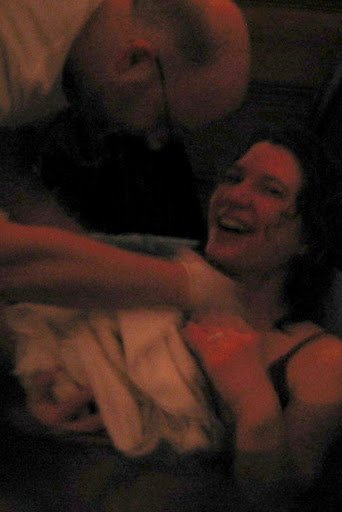
    N’s birth in 2007

    My first child was born in 2007 at my home following a healthy, complication-free pregnancy. After researching options for childbirth, I concluded that the evidence supported out-of-hospital birth as the safest and most beneficial choice for a low-risk mother and baby. My then insurance provider reimbursed me for much of the cost of the attending CPM’s services.

    Continuous, personalized care by a single, qualified midwife and her assistant, along with autonomy, privacy, and integration of birth into normal family life, all contributed to my satisfaction with this positive and fulfilling experience. More than three years later, my daughter and I continue to be exceptionally healthy in every way.

    My current pregnancy has been equally healthy. In addition to regular prenatal consultations with the CPM, which have revealed no risk factors, I am actively preparing for childbirth by refreshing my reading on the subject. In conjunction with my midwife’s recommendations and my own value of preventive health, I give careful attention to my daily exercise, rest, and nutrition.

    Given my healthy lifestyle and the absence of risk factors, I am confident in my responsible choice of an out-of-hospital birth attended by a CPM. Of course, as discussed with my midwife, I would not hesitate to seek appropriate care at my local hospital should complications arise in pregnancy or labor.

    As a healthy, low-risk person who has researched and weighed the advantages and disadvantages of in-hospital and out-of-hospital birth, I ask that you honor my informed choice by reversing your initial decision and contributing equitably toward the costs of my upcoming out-of-hospital birth.

    Thank you for your consideration of my 2nd Level Appeal. I look forward to your reply.

    The Reply
    “The Committee determined that the denial is upheld as prenatal care by a midwife who is not a licensed nurse or nurse-midwife is not a covered benefit under your plan, therefore the charges are your responsibility. … The Birthing Center must … provide care under the full-time supervision of a Physician and either a registered nurse or a licensed nurse-midwife….”

  • goodbadi

    The Dog

    Now, M and our dog Canela have never professed being chummy. At least M has never said this. In fact, she thinks the dog is downright piz wat, or “good for nothing.”

    There are the dogine nuisances, that’s for sure. As a pack animal, Canela learns from and imitates us, which means that she, too, picks and eats broccoli, blueberries, raspberries, cucumbers, and tomatoes from our garden. Before her shock collar gave her a clue about our property boundaries (and limited her jumping up on people or mauling the cat), it wasn’t uncommon to find a dead chicken (we believe local chicken house clean outs) on our porch; after the neighbor’s cow died, there were leg bones; a deer leg resides still under our shed. She chews up sticks and flip-flops and leaves them strewn about. Only only once has she barked at a stranger coming to our house.

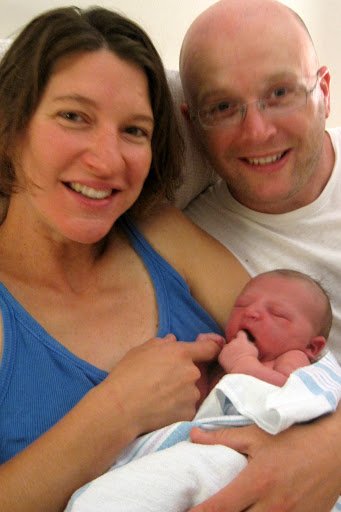
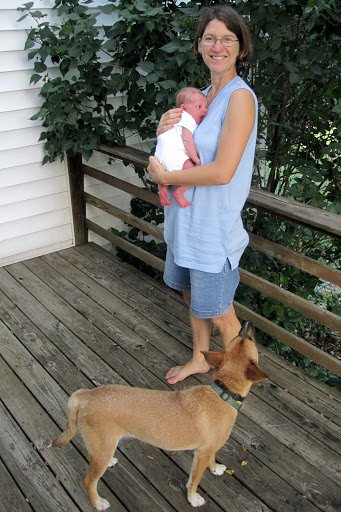
    But it’s not all bad, as far as I’m concerned. During the school year when I pedal out our driveway, Canela runs down to where our land borders the road to bark goodbye to me (okay, so I admit that she does the same when other bikers or joggers pass). She’s always happy to see me. She brings sticks for me to try to grab from her or for playing fetch. In fact, so closely is Canela tied to my heart that I’ve not quite trained myself to call new daughter by her name; often the dog’s slips out. It’s an easy mistake, I’ll say in my own defense: same number of syllables, same ending syllable sounds, similar familiarity with our back deck, where the dog watched H enter the outside:

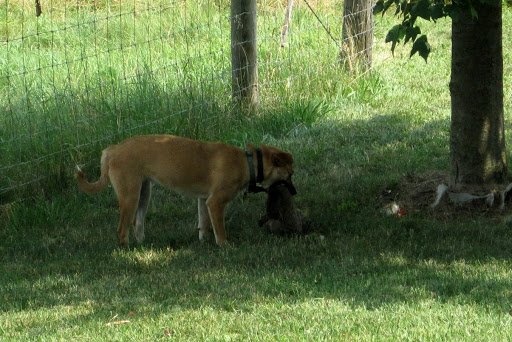
    But what’s topped off Canela’s value happened yesterday. Yup, that’s a groundhog she’s chewing on–we’ve got ourselves a groundhogger:

    We’ll see about that piz wat.

  • goodbadi

    Unprepared

    Neither of us had prepared for an only five-hours-start-to-finish labor:

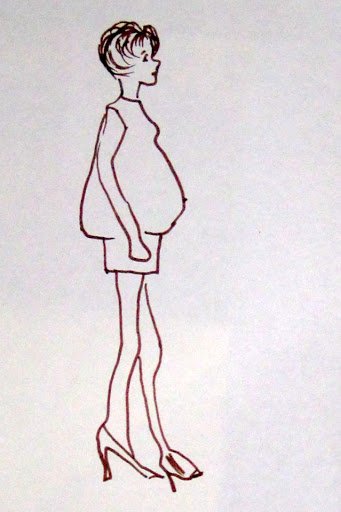
    And giving birth on the deck in the presence of the dog (and barely in the presence in the midwife, who’d only arrived eight minutes before) wasn’t what M (pictured) had in mind, either:

    Tonight as I held H while M read bedtime stories to N, I wondered, “Is there anything M wouldn’t be able to do?”

  • goodbadi

    These Days: Segregation and Slavery

    The reporting of oddball incidents of random violence at remote recreational hot spots sometimes feeds my own general wariness when it comes to strangers’ potential propensities to do terrible things, leaving me feeling unnecessarily insecure. But I don’t think that means I’m completely wacko all of the time.

    Take our recent trip to the local swimming hole. It’s a federal place, national forest or something, but in the middle of nowhere and out of reach of cell service and everything else. The water is cold and refreshing, and deep enough that I wasn’t too worried that the apparently local young man in orange shorts who was climbing the cliff and then up a tree on the cliff and then jumping off would hit bottom (his head on the cliffs, well…).

    “It was four feet deeper earlier this month,” he told me as he climbed and as I kept N from sliding down the shifty gravel into the depths. His feet smacked the water.

    M and I took turns taking leisurely swims for the length of the hole, and then we found a shady spot along a calm inlet and ate our pasta salad picnic.

    Soon I noticed that Mr. Orange Shorts and his buddies, plus two other guys who’d been hanging out, weren’t swimming any more, but were back at the parking area with a bunch of other guys who’d showed up in their pickup trucks. One truck had driven by the hole, paused while the driver stared down on the scene, and sped in reverse back to the others, where he sat with the others, taking long glances toward the swimming hole–not at us, but at the mixed-race group that had shown up soon after we’d gotten there and were lounging, laughing, and swimming.

    I was feeling nervous, and wondered if we should call law enforcement to disburse the racial hatred I sensed in the white locals’ clustered, unswimming stares. It made me a bit tense and eager to leave, and as we walked to the car past the trash cans, Mr. Orange Shorts, who was throwing away a beer case, said to me, “I’m scared.”

    Scared of what? I thought (rather cluelessly). Too much cliff diving? Out loud I gave a polite chuckle.

    He continued, “Did you see that woman?”

    Oh. There had in fact been a black woman swimming in the water.

    I didn’t say anything more, and breathed a sigh of relief we’d made it to the main road. It was soberingly astonishing, the local festering of racial hatred.

    Side note: I was again taken aback when, several weeks later, I heard in an interview on Fresh Air about the ongoing existence of slavery, in the U.S. tomato industry.

  • goodbadi

    Waiting

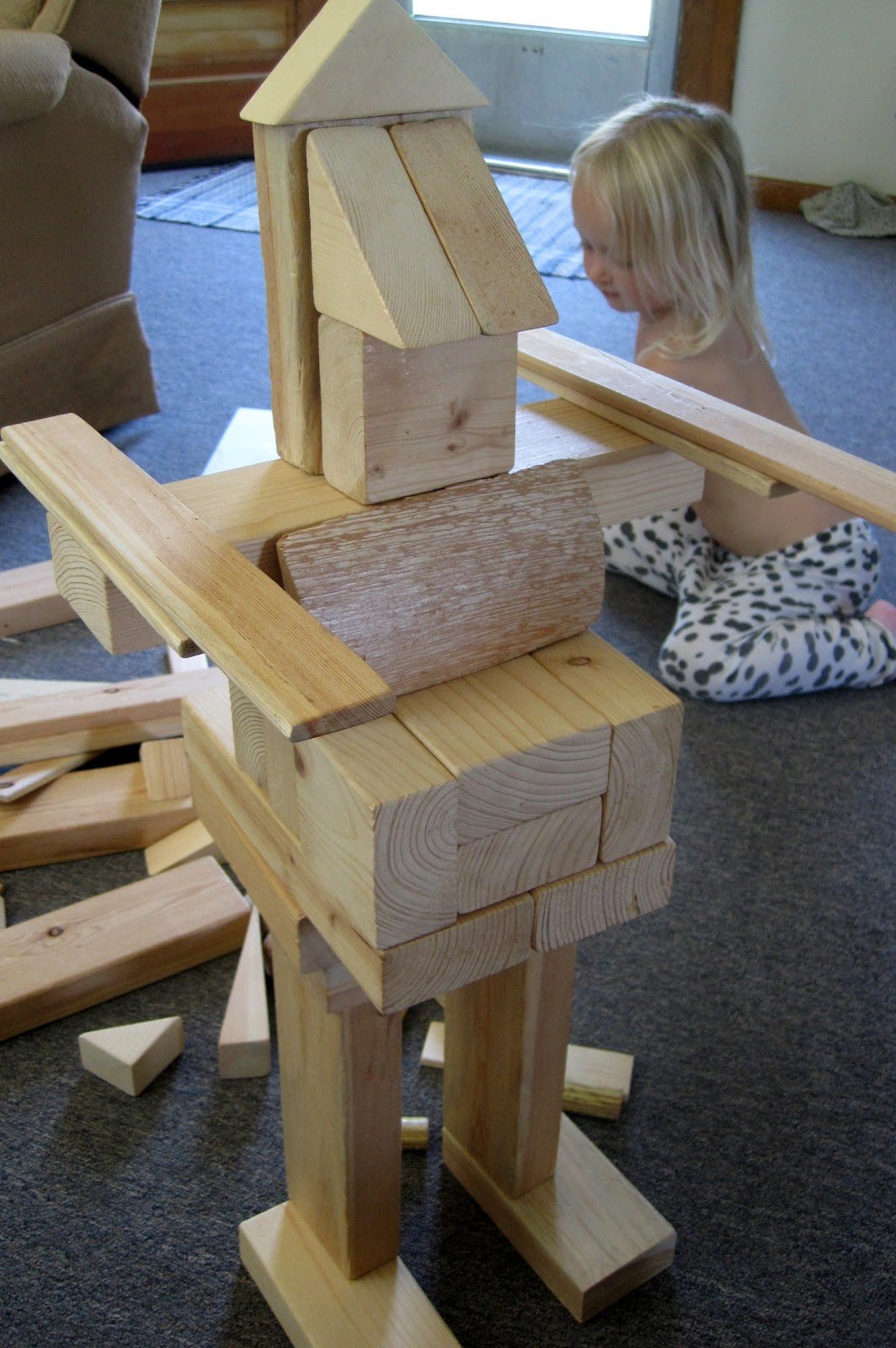
    The due date has come and gone, the house, basement, and shed are in order, the freezer’s full of food, and we’re so confident in the perpetuity of our waiting that on Tuesday I even scheduled an eye doctor appointment for yesterday (after I built a monument to M with blocks).

    The baby and its parents also gave N a present on Wednesday evening. On Thursday morning when I got out of bed she was no longer in hers; I found her outside.

  • goodbadi

    Bovine Diplomacy

    Author’s note: A college prof once told my class that it’s better to be honest than good; my brother’s wise idea for this blog’s title suggests that both my better and lesser points are, after all, me.

    Up until this week I tried polite diplomacy.

    Here’s the back story: The cattle owned by the Land Renter (LR) who is renting the farmland on three sides of our property have escaped onto our land many times. When I’ve called him he has always come to herd them away and presented feeble fix-it attempts; on one occasion he rather bluntly pointed out that the “first problem” to deal with were the tree saplings we’d planted apparently too close to the fence (maybe an issue five or ten years down the road). He also said that the cattle-trodden fence sections on the Western Landowner’s side wouldn’t be a problem, since they didn’t have cattle there now, anyway.

    I also called the very apologetic Eastern Landowner, and we exchanged assurances that he would replace the fence at his expense (since we’re not using it) and we would be moving our saplings farther from the fence line to prevent any future problems.

    When I called the Western Landowner, she merely said she’d look at the fence; a few days later we did in fact see her car slow while driving by.

    And then this week:

    On Monday, LR’s high-school just-graduated son herded their heifers into the above-mentioned Western Landowner’s section of pasture directly adjacent to our garden and separated from our land by a flimsy fence with at least two unrepaired sections that the cattle have crossed a number of times before. I was napping at the time, and watched foggily from my bed as the herd stampeded into their new domain. I jerked myself awake in time to run out to flag down the son just as he rode his four-wheeler over to the fence.

    “There are several bad sections of fence along here,” I said, pointing them out to him.

    “I was just coming to check them,” he said.

    “I think the cattle have gotten out down here, too,” I said of one place where the fence was stretched and bunched down.

    “Have you seen them get out there?” he demanded. “It looks to me like they just pushed against it there.”

    “No, I didn’t see that. But it needs to be fixed. These sections need to be fixed before your cattle are in here.”

    He got off at the uppermost broken spot, and with his bare hands pulled and twisted together some of the severely damaged woven wire, and then got back on his four wheeler and looked at me.

    I looked at the twisted wires, and then at him. “I’m not convinced.”

    “I don’t think they’ll get out,” he said.

    That’s when I decided that what my mom would later wonder about is right: some people don’t understand the language of courteous neighborliness. I had a miniature explosion.

    “You’re telling me that we have to be concerned about our garden—which we put a lot of hard work into—because you run shitty fences. That’s ridiculous and unacceptable.”

    He turned sulky and said, “We can put the gates [which he’d used to patch the Eastern Landowner’s side’s vulnerabilities] over these spots. Can we cross your land to do that or do we have to drive all around your property get them?”

    “Thank you for asking permission to cross my land,” I said. “Let’s do it now; I’ll help you.” We talked about his and his brother’s schooling while we worked, and ended on good terms albeit with a customarily feebly fixed fence.

    My only regret was that I’d said the “shitty” line to him and not to his dad.

    Then.

    Yesterday we went to visit my parents, and I worried we’d come home today to trodden vegetables. My spirits lifted, though, when we came back to see that all the heifers were in their confines and our garden was as we’d left it—in need of potato bug collection, which we hopped right on.

    As we finished up picking the bugs and weeding the onions, a man I’d never met before stopped in to ask if we plan to use the pile of rocks in our pasture (we do). As I talked with him, M, still down at the garden, called for me—a heifer had just then jumped yet another section of fence and was munching our corn.

    I ran inside for some leather work gloves and the rope I’d made handy after Monday’s relocation. The man seemed willing to help us, so I said, “I don’t want to chase it back across the fence—I want to catch it.”

    We tried and tried to corner it and rope it (“You should take lasso lessons,” he said) until finally with our dear dog’s, M’s, the man’s and my coordination, we corralled it in between our two woodpiles facing what I thought was an impermeable section of fence and blocked behind with a pallet tied to some other fence posts.

    I started making phone calls, first to my brother-in-law: “Do you know anyone with a cattle trailer we can borrow?” He didn’t, but suggested I try a neighbor down the road. They didn’t answer the phone.

    I called another neighbor; they didn’t have a trailer.

    Meanwhile, the cow in the makeshift stall was denting the metal trash can of kindling I keep there and occasionally backing towards me as I leaned against the pallet, poking her with a pointy stick when she pushed against the pallet.

    I called the man at church who’d first told me about my right to corral and hold for ransom—or even sell to recover costs—trespassing cattle, but he didn’t have a trailer either.

    “Look in the newspaper under the livestock section,” he suggested. “There are usually cattle buyers listed there.”

    I called my brother-in-law back to see if he had a newspaper. He did, but there were no cattle buyers listed as such.

    “Oh, hey, there’s this guy,” he said, reading aloud the name of someone who sounded like he would maybe be able to slip on over and take away the penned heifer. But just as he read the name to me, the cow tried to jump—and smashed to the ground—that “impermeable” fence (and a portion of our woodpile) and moseyed off, eating the grass along our driveway (which goes through the Western Landowner’s land).

    “Oh, great,” I said, my heart sinking. “Can you come help me catch it again?” But no—the heifer wasn’t on our land anymore, so it wasn’t fair game.

    Boy, was I disappointed.

    I called the farmer. Busy. I called the Western Landowner. Busy. I put my gloves and rope away. I called the farmer’s cell phone.

    “Hi, LR. You’ve got another section of fence that needs to be fixed; we just chased a heifer out of our garden. It was eating our corn and potatoes, and this is ridiculous.”

    “We’ll be right over,” he said.

    I called the Western Landowner, and after she tried to say the fence was LR’s responsibility but we couldn’t expect him to fix it, and she couldn’t fix it, I told her that I would not pay for damage to the fence caused by the cattle on her land. She said she’d come by and look at the fence on Saturday.

    I drank a glass of water.

    LR and his two boys showed up and herded the remaining cattle into the barn lot. I approached them; he said nothing to me.

    A moment of quiet passed, and then I started.

    “I am really offended,” I said. “You have never once apologized to us for the damage your cattle have caused and for the inconvenience this has been for us. We work hard in our gardens, and we’re not going to tolerate your cattle destroying our crops because you keep crappy fences. I’m extremely frustrated.”

    “Let’s go see your garden,” he said.

    The damage, while apparent, didn’t look like much. “Your heifer went out through the woodpiles up there, too, and knocked down that fence,” I said. “This is just unacceptable and you need to take responsibility.”

    “Now wait a minute,” he said. “I’ve been blasted twice now, and I haven’t even had a chance to speak.”

    “I’m sorry,” I said. “I’m listening.”

    “How much do you think this damage is worth?” he asked, pulling out his wallet.

    “This damage is nothing,” I said. “But the rest of the herd could have been right behind this heifer when she escaped, and the potential for a lot more damage is what I’m worried about. We’re lucky we were home—we’d been away since yesterday. You are responsible for your cattle, and you need to fix the fences so they don’t get out.”

    He pulled out fifty dollars. “I hear you,” he said. “Here. Take it and buy yourself some corn cobs. I want to keep happy neighbors.”

    “I don’t want to be paid for this damage; it’s nothing,” I said. “I forgive you. I don’t want to be paid.”

    I started crying. “I forgive you. I just want the fences fixed.”

    “Take this,” he said. “We’ll stretch more barbed wire tomorrow, and I’ll go buy a new fencer and put up a powerful electric fence that they will not get through.”

    “No,” I said. “Use the money for your materials. This damage isn’t worth it.”

    “You’re offended, and I’m offering you this,” he said, tossing the bills into the corn patch.

    I don’t remember how the other details fit in, but I remember pointing out that we’re of the same denomination (“I’m Christian,” he clarified. “Well, I am, too,” I said) and asking him if I could give him a hug.

    “No,” he said, extending his hand (I shook it). I’m not sure, but I think when I was tearily refusing the money and forgiving him I’d also put my hand on and squeezed his shoulder several times.

    “We’ll be over tomorrow morning to fix that fence. After I fix up the new electric fencer, they will not get through. They won’t touch that fence twice.”

    At that point I remembered I’d wanted to ask him why I feel the current electric fence pulsing in the heating pipes in our house (when I’m barefoot and touch them); that provided some comic relief.

    “This new wire will be hot,” he said. “Like we have around our house,” he said knowingly to his sons.

    “Could you put it a few feet back from the wire fence?” I asked. “I have a small daughter.”

    “She won’t touch it twice,” he said.

    Believe me, I’m going to be checking out that wiring—and our heating pipes—after they’re done working. There are laws about appropriately unregulated current in fences.

    And I just may be making a fifty dollar contribution to Heifer International—in LR’s honor.

  • goodbadi

    Delicious

    While the storms that crossed our region have cost much of many, for me they provided a surprise two-hour delay. I relished that email notification, especially since it arrived along with verification that our band’s new album is now for sale on iTunes and CDBaby.

    I used the morning hours to update our website, read books with my daughter, enjoy the fresh smell of rained fields, and bicycle off to school at a more-than-sane hour.

    Along my ride, who should putter onto my rear-view mirror but my brother-in-law J. I had a good lead on him, but knowing he would eventually pass me–he was in a truck, after all–I put the sneakers to the pedals and, with the wind behind me as it was (and the slope being downhill, all in all), enjoyed the glory of maintaining a noteworthy distance for quite a little distance.

    “I bet he’s thinking, ‘Now I know why he eats so much!'” I thought to myself.

    I called him later to find out just how fast I was going: 30mph.

    “That was impressive,” he said. “Now I know why you eat so much!”

  • goodbadi

    Fence Post

    By spoken indications our neighborhood fence situation faces improvement. The owner of the land that the cattle owner rents has told me on the phone that he and the farmer are financially and otherwise responsible for the fence and for keeping in the cattle. Until the fence is fixed, he said, the cattle will be kept in another pasture.

    Even louder than his talking, however, is the silence of inaction: the cattle are still there and the fence has not yet been fixed.

    But hope springs eternal.
  • goodbadi

    Neighborly Beef

    On Friday I called the tenant farmer whose many cattle have visited our land from both of the farmland properties he rents adjacent to three sides of us, and that evening he stopped over. I pointed out the many tree saplings we’ve planted and staked along our property and again said that we are concerned about the cattle damaging our gardens.

    Instead of offering any assurances of fence mending, apologizing, or asking about–let alone offering to compensate us for–past or future damages, he pointed out that the first problem to deal with is that our saplings (average height: 12 inches) are too close to the fence (maybe in about 30 years).

    As for fixing the fences, he said, “That’s a long-term proposition, and I don’t know how long I’ll be renting here,” he said. “Let me ask you this: Would you be willing to share the costs? That’s how it’s done, for boundary fences.”

    “But I don’t need the fence,” I said.

    I let the two landowners know of the conversation, and consulted a man at church who seems to have experience with such nitty gritty details of life.

    “Sometimes you just have to be nasty back,” he said. “We had a problem with cattle getting onto our land, once, and so we rounded up the escaped cattle and took them to the livestock sale. You might have to have a heart-to-heart with the farmer and tell him you’re going to shoot the cattle if they get in your garden. He’s responsible for keeping them contained.”

    But I’m not so sure he is–both practically speaking and legally. From our state’s code: “When any fence which has been built and used by adjoining landowners as a division fence, or any fence which has been built by one, and the other afterwards required to pay half of the value, or expense thereof, under the provisions hereinbefore contained, and which has thereby become a division fence between such lands, shall become out of repair to the extent that it is no longer a lawful fence, either one of such adjoining landowners may give written notice to the other, or to his agent, of his desire and intention to repair such fence, and require him to come forward and repair his half thereof, and if he shall fail to do so within thirty days after being so notified, the one giving such notice may then repair the entire fence so as to make it a lawful fence, and the other shall be liable to him for one-half of the expense thereof.”

    This is not at all promising; we may have to shell out in order to support our neighbor’s commercial cattle ventures even though we have no need for a fence…unless this following code provides us a loophole: “Adjoining landowners shall build and maintain, at their joint and equal expense, division fences between their lands, unless one of them shall choose to let his land lie open or unless they shall otherwise agree between themselves.”

    And then there’s this, from our county’s code: “The boundary lines of each lot or tract of land or any stream in the country are hereby declared to constitute a lawful fence for the purposes of [the section of the state code cited above].”

    Which part of the code applies? The farm extension agent I called yesterday assured me that it’s the farmer’s responsibility to keep his cattle in, and if his cattle damage our property we can sue for damages or even hold the cattle “for ransom,” but he added that there is “a legal expectation that both parties contribute” to the maintenance of an existing boundary fence.

    We’re caught in a catch-22: Trust the neighbor’s sense of responsibility to keep in his cattle. That means that when they escape to our land and destroy our garden, we can demand damages in court (animal control won’t get involved; they say it’s a civil matter). But the suit will then be thrown out because we didn’t help maintain the fence.

    Basically, we’re required to pay to support our neighbor’s business.

  • goodbadi

    Dining on Whining

    This afternoon was a rocky start to my spring break, so I just read over some of the advice I posted yesterday to help me keep my current frustrations in perspective. And here they are:

    1. Our health insurance company Southern Health will not give out billing codes for us to file our own claims for midwifery services that we already know they don’t cover (but we can’t appeal that, apparently, until we’ve been denied a claim, which we can’t file without the codes, although we can send a letter of complaint, which would make us sound like whiners when what we really want is a policy rules exception based on sound reasoning). And the lady’s supervisor did not call me back as promised. Phooey on Southern Health for being a bureaucracy that doesn’t support common sense. We’re gonna find the codes on our own little own, doggonit. Advice #14: Go big and don’t bail!

    2. Points.com has for weeks claimed that they are “unable to process” our attempts to redeem air miles. Customer “service” wrote suggested, “Can you please contact AAdvantage to verify the format of your name?  Some part of the information entered cannot be registered.” Umm, they asked for name and address and phone number, all of which I entered according to the registered format. Advice #25: Never kick a porcupine with bare feet.

    3. So when we called American Airlines’ AAdvantage customer “service,” the lady said we would probably have to check with points.com, and then she transferred us to an exceptionally rude “tech help” person who taught us how to click on links to find what we’d already good and well found, and then he told us the phone number for points.com (416-595-0000) and hung up. Literally. Advice #7: Never argue with an idiot. They will bring you down to their level and then win with experience.

    4. If you keep track of the “numbers” section along the left panel of this blog, you noticed that the “cow escapes onto our land” figure jumped from 9 to 19 today, accompanied by more shoddy fence repairs from the farmer tenant. At what point does our garden deserve police protection? Advice #10. Don’t eat yellow snow.